


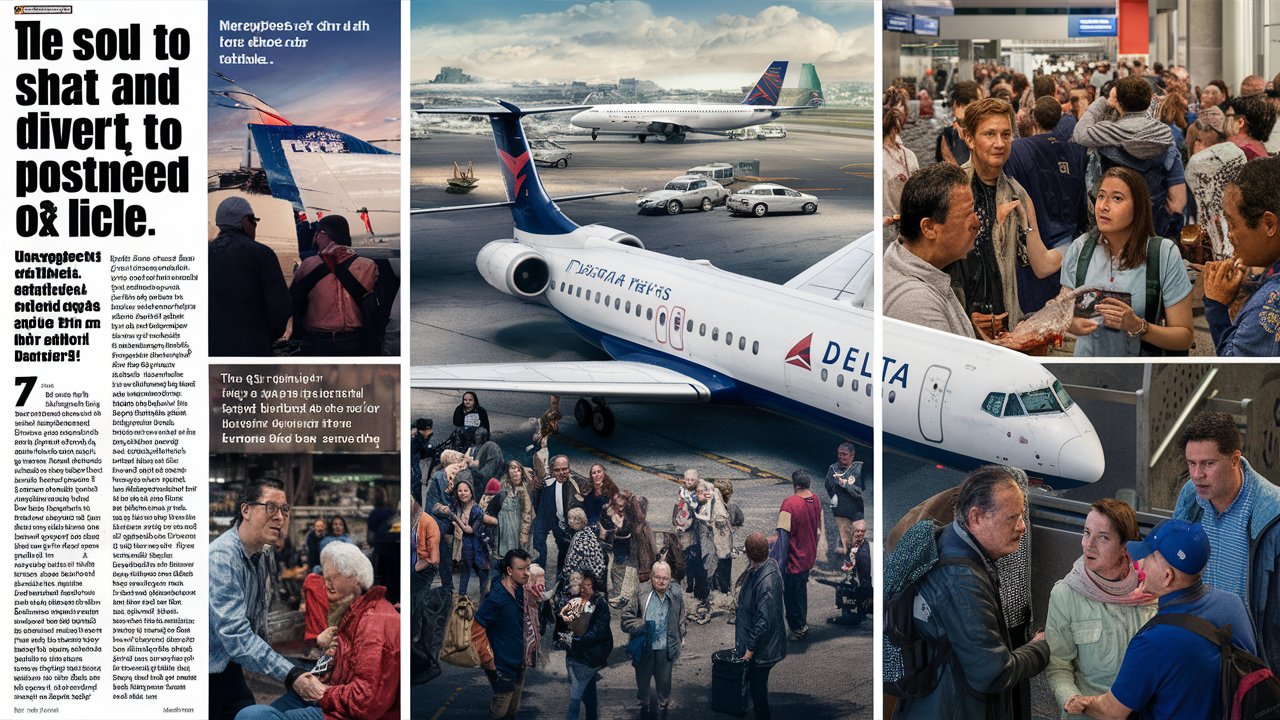
Air travel incidents often capture global attention, especially when they involve major airlines like Delta. Recently, Delta Flight DL275 diverted LAX, sparking widespread curiosity and concern among passengers and aviation enthusiasts alike. The flight, originally scheduled to travel from Tokyo to Seattle, made an unexpected diversion to Los Angeles International Airport (LAX) due to unforeseen circumstances. Such diversions are not uncommon in aviation, but each event carries its own story, technical details, and human experiences. This article explores the reasons behind the diversion, the airline’s response, and the broader implications for flight safety and passenger management.
What Happened to Delta Flight DL275?
Delta Flight DL275, a long-haul international flight operated by Delta Air Lines, was en route from Tokyo’s Haneda Airport to Seattle-Tacoma International Airport when it was unexpectedly diverted to Los Angeles International Airport (LAX). The diversion occurred mid-flight after the crew detected a potential technical issue that required immediate attention. According to preliminary reports, the decision to divert was made out of an abundance of caution to ensure passenger safety and aircraft integrity.
Upon landing at LAX, emergency crews were on standby as a standard precautionary measure. The aircraft landed safely without incident, and all passengers were deplaned smoothly. Delta’s maintenance team immediately began inspecting the aircraft to determine the cause of the issue. While diversions can be inconvenient, they are a critical part of aviation safety protocols designed to prevent more serious complications.
Reasons Behind the Diversion
The exact reason for Delta Flight DL275’s diversion to LAX has not been officially confirmed, but early indications suggest a possible mechanical or technical irregularity. In modern aviation, even minor anomalies can trigger diversions, as airlines prioritize safety above all else. Factors such as engine performance alerts, cabin pressurization issues, or sensor malfunctions can prompt pilots to reroute to the nearest suitable airport.
Weather conditions, air traffic congestion, or medical emergencies can also lead to diversions. However, in this case, sources close to the airline indicated that the diversion was likely related to a technical concern rather than external factors. The decision to land at LAX, rather than continuing to Seattle, was based on the airport’s superior maintenance facilities and Delta’s operational presence there, allowing for faster inspection and passenger re-accommodation.
Passenger Experience and Airline Response
Passengers aboard Delta Flight DL275 reported that the crew handled the situation with professionalism and calmness. The captain made timely announcements explaining the diversion and assuring passengers that safety was the top priority. Cabin crew members provided updates throughout the flight, maintaining a sense of order and reassurance.
Upon arrival at LAX, Delta arranged for hotel accommodations and meal vouchers for affected passengers, as well as rebooking options for those continuing to Seattle. The airline also issued an official statement expressing regret for the inconvenience and emphasizing its commitment to passenger safety. Such responses are standard practice for major airlines, reflecting their dedication to maintaining trust and transparency during unexpected events.
The Importance of Flight Diversions in Aviation Safety
Flight diversions, while disruptive, are a vital component of aviation safety management. Every commercial airline operates under strict international regulations that require immediate action when potential risks are detected. The decision to divert is never taken lightly—it involves coordination between pilots, air traffic control, and airline operations teams.
In the case of Delta Flight DL275 diverted to LAX, the swift and decisive action by the flight crew demonstrated the effectiveness of these safety protocols. Diversions allow airlines to address technical issues in controlled environments, minimizing risk to passengers and crew. They also highlight the importance of pilot training, aircraft maintenance, and real-time communication systems that ensure safe outcomes even in unexpected situations.
Impact on Delta’s Operations
While the diversion caused temporary delays, Delta Flight DL275 diverted LAX managed the situation efficiently. The airline’s strong operational network in Los Angeles allowed for quick logistical adjustments, including aircraft maintenance and passenger rebooking. Such incidents, though rare, reinforce Delta’s reputation for prioritizing safety and customer care.
In the broader context, diversions like this one serve as reminders of the complexities of modern aviation. They underscore the importance of continuous monitoring, advanced technology, and proactive decision-making in ensuring that every flight reaches its destination safely—even if it means making an unscheduled stop along the way.
Conclusion
The Delta Flight DL275 diverted LAX incident serves as a testament to the aviation industry’s unwavering commitment to safety. While diversions can cause inconvenience, they are essential measures that protect passengers and crew from potential risks. Delta’s prompt response, transparent communication, and professional handling of the situation reflect the airline’s dedication to maintaining the highest standards of operational safety. As investigations continue and normal operations resume, this event stands as a reminder that in aviation, safety always comes first—no matter the destination.
Frequently Asked Questions (FAQ)
1. Why was Delta Flight DL275 diverted to LAX?
The flight was diverted due to a potential technical issue detected mid-flight. The diversion was made as a precautionary measure to ensure passenger safety.
2. Was anyone injured during the diversion?
No injuries were reported. The aircraft landed safely at Los Angeles International Airport, and all passengers disembarked without incident.
3. Where was Delta Flight DL275 originally headed?
The flight was originally scheduled to travel from Tokyo’s Haneda Airport to Seattle-Tacoma International Airport.
4. How did Delta handle the situation?
Delta provided accommodations, meal vouchers, and rebooking options for affected passengers. The airline also issued a statement emphasizing its commitment to safety.
5. What happens when a flight is diverted?
When a flight is diverted, it lands at an alternate airport for safety or operational reasons. Passengers are then rebooked or provided with assistance until the issue is resolved.
6. Are diversions common in aviation?
While not frequent, diversions do occur occasionally due to weather, technical issues, or medical emergencies. They are standard safety procedures in the aviation industry.
7. How long was the delay caused by the diversion?
The exact delay varied depending on rebooking schedules, but most passengers were accommodated on later flights to Seattle.
8. Did Delta provide an official explanation?
Delta confirmed the diversion and stated that it was made out of an abundance of caution. Further details are typically released after maintenance inspections.
9. What safety measures are taken during a diversion?
Pilots coordinate with air traffic control, declare the diversion, and ensure that emergency services are on standby upon landing. Passenger safety remains the top priority throughout the process.
10. What can passengers expect in future similar situations?
Passengers can expect clear communication, professional handling by the crew, and full support from the airline, including rebooking and accommodation assistance if needed.