


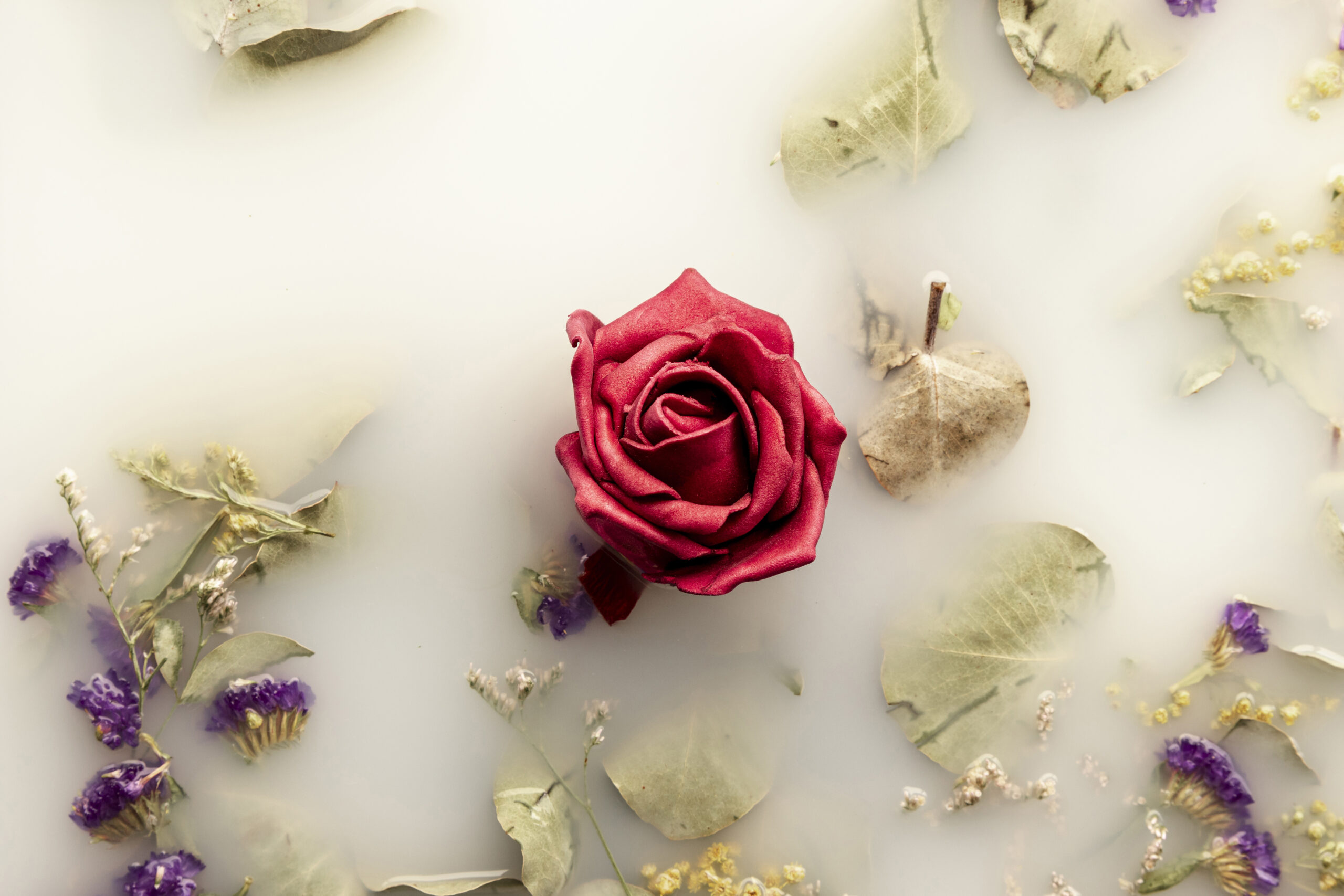
Among the rarest and most captivating botanical wonders, Phaelindrose stands out as a symbol of mystery, elegance, and natural healing. This extraordinary flower, often described as a blend of ethereal beauty and spiritual depth, has fascinated botanists, herbalists, and artists alike. Its name evokes curiosity, and its presence in gardens or natural landscapes instantly transforms the environment into one of serenity and grace. The Phaelindrose is not just a flower—it is a story of nature’s artistry, a representation of balance between fragility and strength, and a source of inspiration for those who seek meaning in the natural world.
What Is Phaelindrose?
The Phaelindrose is a rare flowering plant known for its delicate petals, radiant hues, and subtle fragrance that lingers in the air. It is often associated with purity, transformation, and emotional healing. Botanically, it belongs to a unique genus that thrives in temperate climates, preferring shaded areas with rich, moist soil. The flower’s structure is intricate, with layered petals that shimmer under sunlight, giving it a near-magical appearance. Many cultures regard the Phaelindrose as a sacred bloom, often used in rituals, ceremonies, and traditional medicine.
The Origin and History of Phaelindrose
The origins of the Phaelindrose trace back to ancient civilizations that revered it as a divine creation. Historical records suggest that it was cultivated in royal gardens and used in spiritual practices to symbolize rebirth and enlightenment. In folklore, the Phaelindrose was believed to bloom only under the light of a full moon, representing the connection between nature and cosmic energy. Over centuries, it became a symbol of love, resilience, and inner peace. Its name, derived from old linguistic roots, translates to “the rose of light,” reflecting its luminous beauty and spiritual significance.
Symbolism and Meaning of Phaelindrose
The symbolism of Phaelindrose extends beyond its physical beauty. It embodies emotional depth, purity of heart, and the power of renewal. In literature and art, it often represents the journey of the soul through darkness toward illumination. The flower’s rare bloom cycle is seen as a metaphor for patience and perseverance, reminding admirers that true beauty unfolds in its own time. Spiritually, the Phaelindrose is linked to healing energies, believed to restore balance to the mind and spirit. Its colors—ranging from soft pinks to deep violets—each carry distinct meanings, from compassion and love to wisdom and transformation.
The Healing Properties of Phaelindrose
Beyond its aesthetic appeal, the Phaelindrose is valued for its therapeutic properties. Traditional healers have long used its extracts in herbal remedies to promote relaxation, reduce stress, and enhance emotional well-being. The essential oils derived from its petals are said to have calming effects, making them popular in aromatherapy and holistic healing practices. Modern research continues to explore its potential benefits, particularly in skincare and natural medicine. The flower’s essence is also used in meditation rituals, where it is believed to open the heart chakra and encourage emotional clarity.
Cultivating Phaelindrose: Growing and Caring Tips
Cultivating Phaelindrose requires patience, care, and an understanding of its delicate nature. It thrives best in partially shaded areas with well-drained, nutrient-rich soil. Regular watering is essential, but overwatering can damage its roots. Gardeners often recommend using organic compost to maintain soil fertility and enhance growth. The plant prefers mild temperatures and should be protected from harsh sunlight or frost. Pruning faded blooms encourages new growth and prolongs the flowering season. With proper care, the Phaelindrose can become the centerpiece of any garden, radiating beauty and tranquility throughout the year.
Phaelindrose in Art, Culture, and Literature
Throughout history, the Phaelindrose has inspired countless works of art, poetry, and music. Artists have captured its ethereal charm in paintings, while poets have used it as a metaphor for love, loss, and rebirth. In many cultures, it is featured in wedding ceremonies as a symbol of eternal devotion and harmony. The flower’s presence in literature often signifies transformation and the triumph of light over darkness. Its timeless allure continues to influence modern design, fashion, and even interior décor, where it represents elegance and sophistication.
The Spiritual Connection of Phaelindrose
The spiritual significance of Phaelindrose lies in its association with enlightenment and emotional awakening. Many believe that meditating near the flower or visualizing its image can help release negative energy and promote inner peace. In metaphysical traditions, it is linked to the heart and crown chakras, symbolizing love, compassion, and divine connection. The flower’s gentle fragrance is thought to elevate the spirit, making it a favorite among those who practice mindfulness and energy healing. Its presence in sacred spaces serves as a reminder of the harmony between nature and the soul.
Environmental Importance of Phaelindrose
The also plays a vital role in maintaining ecological balance. Its nectar attracts pollinators such as bees and butterflies, contributing to biodiversity and the health of surrounding ecosystems. As a resilient species, it adapts well to changing environmental conditions, making it a valuable addition to sustainable gardens. Conservation efforts are underway to protect wild populations of Phaelindrose from habitat loss and climate change. By cultivating and preserving this flower, communities not only safeguard a botanical treasure but also promote environmental awareness and harmony with nature.
Conclusion
The Phaelindrose is more than a flower—it is a symbol of beauty, healing, and spiritual awakening. Its rich history, profound symbolism, and therapeutic qualities make it a timeless emblem of nature’s wisdom. Whether admired for its aesthetic charm, cultivated for its healing properties, or cherished for its deeper meaning, continues to inspire awe and reverence. In a world that often moves too fast, this extraordinary bloom reminds humanity to pause, breathe, and reconnect with the essence of life itself.
Frequently Asked Questions (FAQ)
1. What makes Phaelindrose unique?
Phaelindrose is unique for its rare beauty, symbolic depth, and healing properties. Its luminous petals and soothing fragrance distinguish it from other flowers.
2. Can Phaelindrose be grown at home?
Yes, it can be cultivated in home gardens with proper care. It thrives in shaded areas with moist, nutrient-rich soil and moderate temperatures.
3. What are the healing benefits of Phaelindrose?
The flower’s extracts are used in aromatherapy and herbal remedies to reduce stress, promote relaxation, and enhance emotional balance.
4. What does Phaelindrose symbolize?
It symbolizes love, purity, transformation, and spiritual enlightenment, often representing the journey from darkness to light.
5. Is Phaelindrose a real or mythical flower?
While its origins are steeped in legend, many believe the Phaelindrose represents both a real botanical species and a symbolic concept of beauty and renewal.
6. How can Phaelindrose be used in daily life?
It can be used in floral arrangements, essential oils, meditation practices, and natural skincare, bringing both aesthetic and emotional benefits.
7. Why is Phaelindrose important in culture and art?
Its timeless beauty and deep symbolism have made it a recurring motif in art, literature, and spiritual traditions, representing harmony and transformation.