


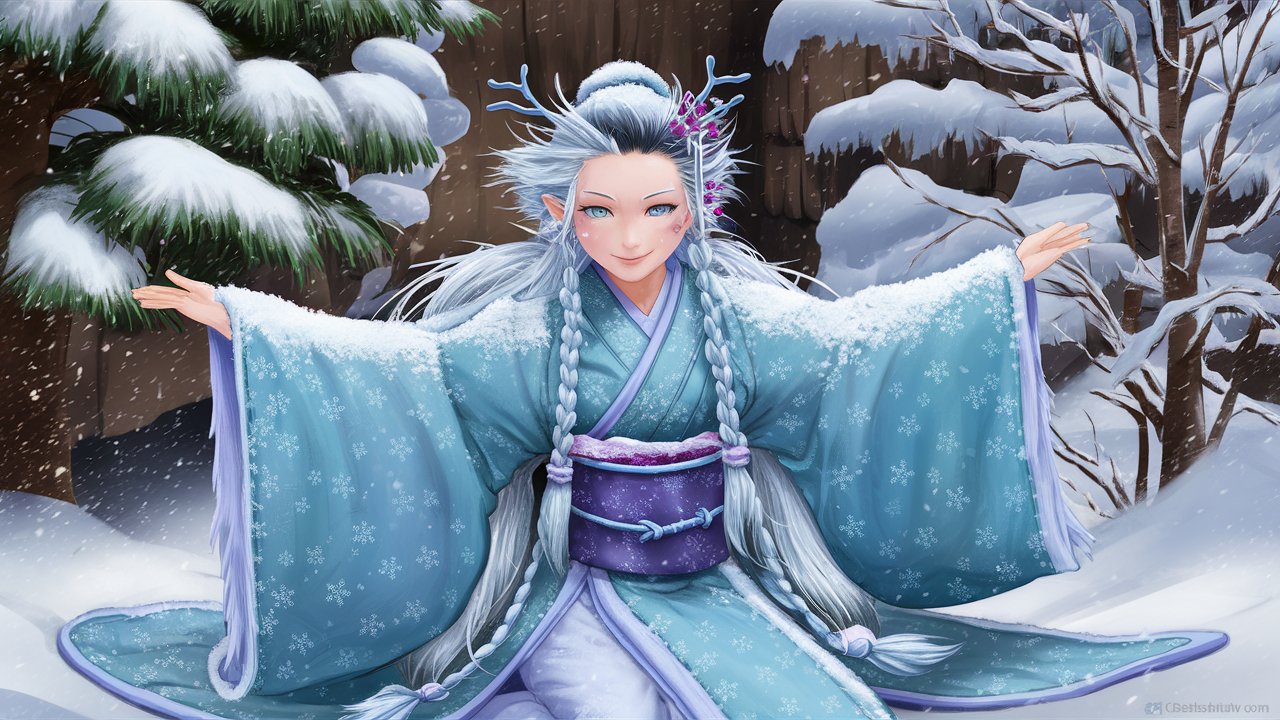
The Japanese Snow Fairy, often referred to in folklore and art, is a captivating figure that embodies the beauty, mystery, and serenity of winter in Japanese culture. Known for her ethereal presence and connection to snow, purity, and transformation, the Japanese Snow Fairy has inspired countless legends, artworks, and modern interpretations. This mythical being represents not only the natural elegance of Japan’s snowy landscapes but also the deeper spiritual connection between humans and nature.
The Origin of the Japanese Snow Fairy in Folklore
The origin of the can be traced back to ancient Japanese folklore, where she is often associated with the Yuki-onna, or “Snow Woman.” The Yuki-onna is a spirit said to appear during snowstorms, dressed in white, with pale skin and long black hair. While some legends portray her as a ghostly figure who brings death to travelers lost in the snow, others describe her as a gentle guardian of winter. The evolved from these tales, representing a softer, more benevolent version of the snow spirit. She symbolizes the delicate balance between beauty and danger, life and death, and the transient nature of existence—core themes in Japanese mythology.
Symbolism of the Japanese Snow Fairy in Japanese Culture
The holds deep symbolic meaning in Japanese culture. She embodies purity, transformation, and impermanence—concepts rooted in the Japanese philosophy of “mono no aware,” which reflects the beauty of fleeting moments. Her association with snow represents cleansing and renewal, as snow covers the earth in a blanket of stillness before the rebirth of spring. The Snow Fairy also symbolizes emotional depth and introspection, reminding people to find peace and beauty even in the coldest seasons of life. In literature and art, she often appears as a muse of inspiration, guiding individuals toward self-discovery and spiritual awakening.
The Japanese Snow Fairy in Art and Literature
Artists and writers throughout Japanese history have drawn inspiration from the Snow Fairy’s ethereal charm. In traditional woodblock prints, she is often depicted gliding gracefully through snowy landscapes, her presence blending seamlessly with nature. Poets of the Edo period wrote haikus that captured her quiet elegance and the emotional stillness of winter nights. In modern times, the continues to appear in anime, manga, and fantasy literature, where she is reimagined as a symbol of hope, love, and resilience. Her timeless image bridges the gap between ancient folklore and contemporary creativity, proving that her allure transcends generations.
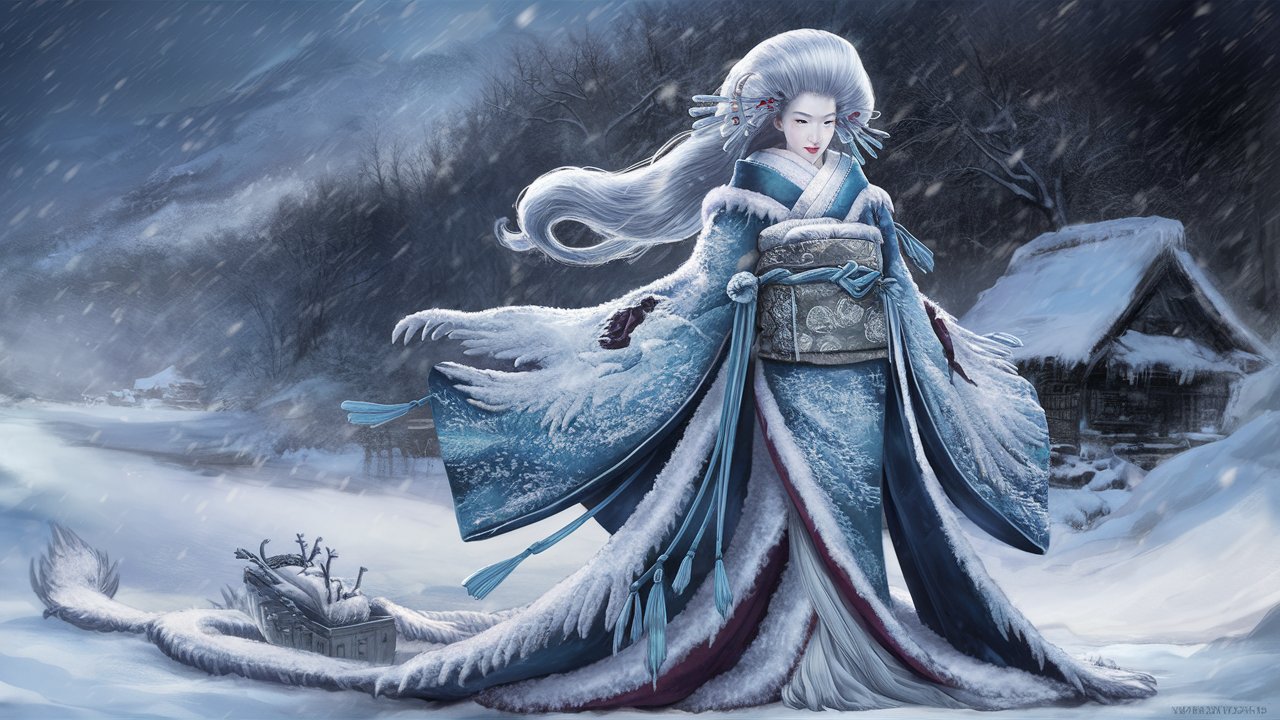
The Japanese Snow Fairy and the Yuki-onna Connection
The Japanese Snow Fairy shares many traits with the Yuki-onna, one of Japan’s most famous mythological figures. While the Yuki-onna is often portrayed as a ghostly woman who appears during blizzards, the Snow Fairy represents a gentler interpretation of the same archetype. Both figures embody the duality of nature—beautiful yet dangerous, nurturing yet unforgiving. The Yuki-onna’s stories vary across regions; in some, she spares kind-hearted travelers, while in others, she leads them to their demise. The however, is more closely associated with protection and guidance, symbolizing the compassionate side of winter’s spirit. This evolution reflects Japan’s cultural shift toward viewing nature as both powerful and harmonious.
The Japanese Snow Fairy in Modern Pop Culture
In modern pop culture, the has become a beloved character archetype. She appears in anime and video games as a graceful, magical being who controls snow and ice. Her design often includes flowing white garments, shimmering wings, and a calm, gentle demeanor. These portrayals highlight her connection to purity and serenity while adding elements of fantasy and romance. The Snow Fairy’s influence extends beyond Japan, inspiring global audiences who admire her beauty and symbolism. Her presence in modern media keeps the ancient folklore alive, blending traditional mythology with contemporary storytelling.
The Spiritual Meaning of the Japanese Snow Fairy
Spiritually, the represents balance, peace, and renewal. She reminds people to embrace stillness and introspection during life’s colder seasons. In Japanese spirituality, winter is not merely a time of dormancy but a period of reflection and preparation for growth. The Snow Fairy embodies this philosophy, encouraging mindfulness and acceptance of change. Her presence in meditation and art serves as a symbol of emotional healing and inner calm. Many view her as a guardian spirit who brings clarity and wisdom, helping individuals find beauty in simplicity and strength in solitude.
Conclusion
The Japanese Snow Fairy is more than a mythical figure; she is a timeless symbol of beauty, transformation, and harmony with nature. Rooted in ancient folklore yet continually reimagined in modern culture, she bridges the past and present, reminding people of the delicate balance between life’s fleeting moments and eternal truths. Her story reflects the essence of Japanese philosophy—finding grace in impermanence and peace in stillness. Whether seen as a spirit of winter, a muse of creativity, or a guardian of serenity, the continues to inspire awe and wonder across generations.
Frequently Asked Questions (FAQ)
1. Who is the Japanese Snow Fairy?
The Japanese Snow Fairy is a mythical figure inspired by Japanese folklore, often associated with the Yuki-onna or “Snow Woman.” She represents purity, transformation, and the beauty of winter.
2. What does the Japanese Snow Fairy symbolize?
She symbolizes purity, renewal, and the transient nature of life. Her connection to snow reflects cleansing, peace, and emotional depth.
3. Is the Japanese Snow Fairy the same as Yuki-onna?
While related, the Japanese Snow Fairy is a gentler version of Yuki-onna. The Yuki-onna is often portrayed as a ghostly or vengeful spirit, while the Snow Fairy embodies kindness and harmony.
4. How is the Japanese Snow Fairy represented in art and culture?
She appears in traditional Japanese art, poetry, and modern media such as anime and literature. Artists depict her as a graceful, ethereal figure surrounded by snow and light.
5. What is the spiritual meaning of the Japanese Snow Fairy?
Spiritually, she represents balance, introspection, and renewal. Her presence encourages mindfulness and acceptance of life’s natural cycles.
6. Why is the Japanese Snow Fairy popular in modern times?
Her timeless beauty and symbolism resonate with modern audiences. She embodies peace, resilience, and the harmony between humanity and nature, making her a beloved figure in both traditional and contemporary culture.