


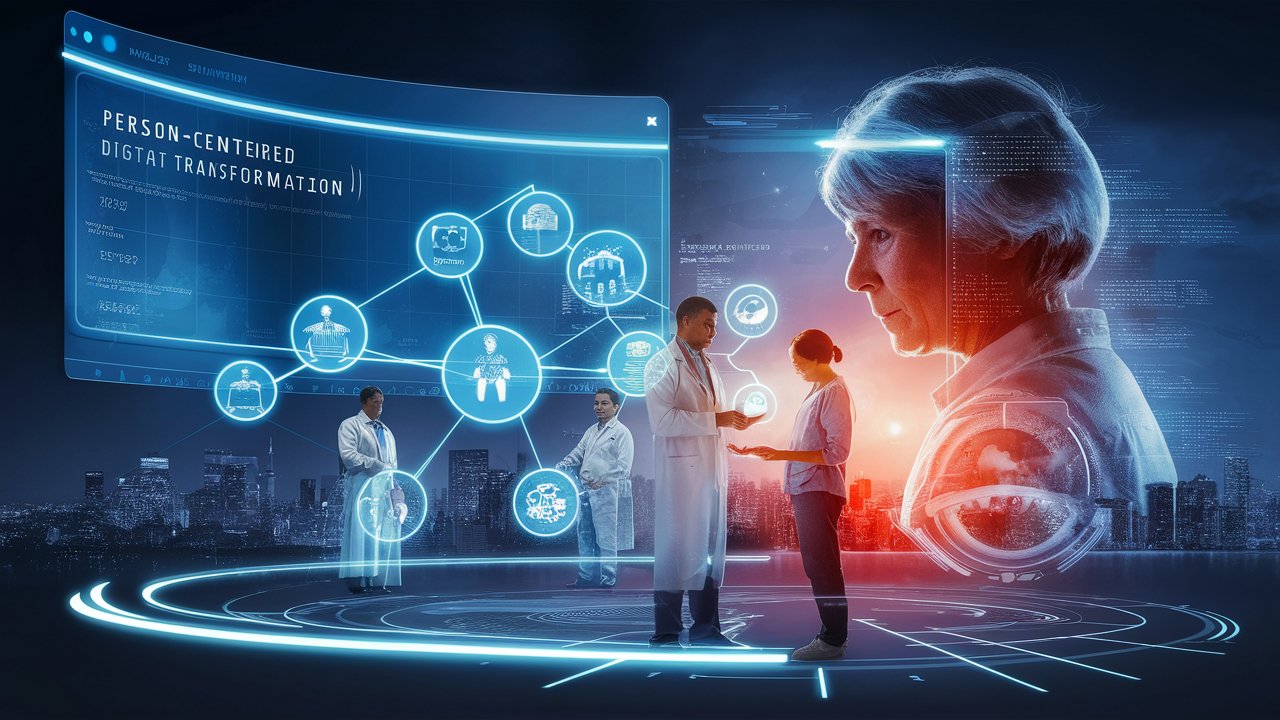
In an era where technology is reshaping every industry, the care sector is no exception person centred software focuses on improving the quality of care by placing individuals at the heart of every process. It enables care providers to record, monitor, and manage care digitally, ensuring that every action taken aligns with the unique needs and preferences of each person.
What Is Person Centred Software?
Person Centred Software is a digital care management system designed to support care homes, domiciliary care providers, and healthcare organizations in delivering truly person-centred care. It replaces traditional paper-based systems with digital tools that streamline documentation, communication, and reporting. The software allows caregivers to record care notes in real time, track health outcomes, and share information securely with families and healthcare professionals.
Importance of Person Centred Software in Modern Care
The importance of Person Centred Software lies in its ability to transform care delivery from a task-oriented model to a person-focused approach. In traditional care environments, staff often spend significant time on paperwork, leaving less time for meaningful interactions with residents or clients. With digital care systems, documentation becomes faster and more accurate, freeing up time for caregivers to focus on building relationships and providing emotional support. Moreover, the software enhances transparency and accountability, ensuring that care records are always up to date and accessible to authorized personnel. This leads to improved communication, better decision-making, and higher standards of care.
Key Features of Person Centred Software
1. Digital Care Planning
It allows care providers to create personalized care plans that reflect each individual’s needs, preferences, and health conditions. This feature eliminates the risk of outdated or incomplete records and ensures that care is consistent and responsive.
2. Real-Time Care Recording
Real-time care recording enables caregivers to document care activities as they happen using mobile devices. This ensures accuracy and reduces the likelihood of missed or forgotten entries. It also provides managers with instant visibility into the quality and frequency of care being delivered, allowing them to identify trends, address issues promptly, and maintain compliance with regulatory standards.
3. Family and Healthcare Professional Access
Person Centred Software often includes secure portals that allow families and healthcare professionals to view relevant care information. This transparency fosters trust and collaboration, as families can stay informed about their loved one’s wellbeing and progress. Healthcare professionals can also access data to make informed clinical decisions, improving coordination and continuity of care.
4. Reporting and Analytics
Comprehensive reporting and analytics tools help care providers monitor performance, identify areas for improvement, and demonstrate compliance with inspection requirements. The software can generate detailed reports on care delivery, incidents, medication administration, and more. These insights support data-driven decision-making and continuous improvement in care quality.
5. Medication Management
This reduces the risk of medication errors and enhances resident safety.
Benefits of Using Person Centred Software
Enhanced Quality of Care
By focusing on the individual, Person Centred Software ensures that care is tailored to each person’s unique needs and preferences. This leads to improved satisfaction, better health outcomes, and a more compassionate care environment.
Increased Efficiency
Digital care systems streamline administrative tasks, allowing caregivers to spend more time with residents. Automated reporting, real-time updates, and mobile access reduce paperwork and duplication of effort, improving overall efficiency.
Improved Compliance and Accountability
The system’s audit trails and reporting features provide clear evidence of care delivery and quality assurance.
Better Communication and Collaboration
The software enhances communication between caregivers, managers, families, and healthcare professionals.
How Person Centred Software Supports Care Homes and Providers
Care homes and care providers face increasing pressure to deliver high-quality, personalized care while managing limited resources. Person Centred Software provides the tools needed to meet these challenges effectively. It simplifies daily operations, reduces administrative burdens, and empowers staff to focus on what truly matters—caring for people. The software also supports staff training and development by providing insights into performance and identifying areas for improvement. For management teams, it offers a clear overview of operations, helping them make informed strategic decisions.
The Future of Person Centred Software
The future of person centred software lies in continuous innovation and integration with emerging technologies. These advancements will enable even more personalized and proactive care, allowing providers to anticipate needs and prevent issues before they arise. As digital transformation continues, person centred software will remain at the forefront of improving care quality, efficiency, and satisfaction across the sector.
Conclusion
Person Centred Software represents a major step forward in the evolution of care delivery. By combining technology with a person-first philosophy, it empowers care providers to deliver compassionate, efficient, and high-quality care. The software not only simplifies operations but also ensures that every individual receives the attention and respect they deserve. As the care industry continues to embrace digital transformation, person centred software will remain an essential tool for achieving excellence in person-centred care.
FAQs
1. What is Person Centred Software used for?
Person Centred Software is used to manage and record care digitally, ensuring that care is personalized, efficient, and compliant with regulations.
2. Who can use Person Centred Software?
It is designed for care homes, domiciliary care providers, and healthcare organizations that want to improve care quality and streamline operations.
3. How does Person Centred Software improve care quality?
By enabling real-time documentation, personalized care planning, and better communication, it ensures that care is consistent, accurate, and focused on individual needs.
4. Is Person Centred Software secure?
Yes, it uses advanced encryption and data protection measures to ensure that all personal and medical information remains confidential and secure.
5. Can families access information through Person Centred Software?
Yes, many systems include family portals that allow relatives to view updates and stay informed about their loved one’s care.
6. Does Person Centred Software help with compliance?
Absolutely. It provides detailed records, audit trails, and reports that help care providers demonstrate compliance with regulatory standards.
7. What are the main benefits of using Person Centred Software?
The main benefits include improved care quality, increased efficiency, better communication, enhanced compliance, and stronger data security.
8. Is training required to use Person Centred Software?
Most providers offer comprehensive training and support to ensure that staff can use the system effectively and confidently.
9. How does Person Centred Software support remote care?
It allows caregivers to record and access information from mobile devices, making it ideal for home care and community-based services.
10. What is the future of Person Centred Software?
The future involves integration with AI, predictive analytics, and wearable technology to deliver even more personalized and proactive care solutions.