


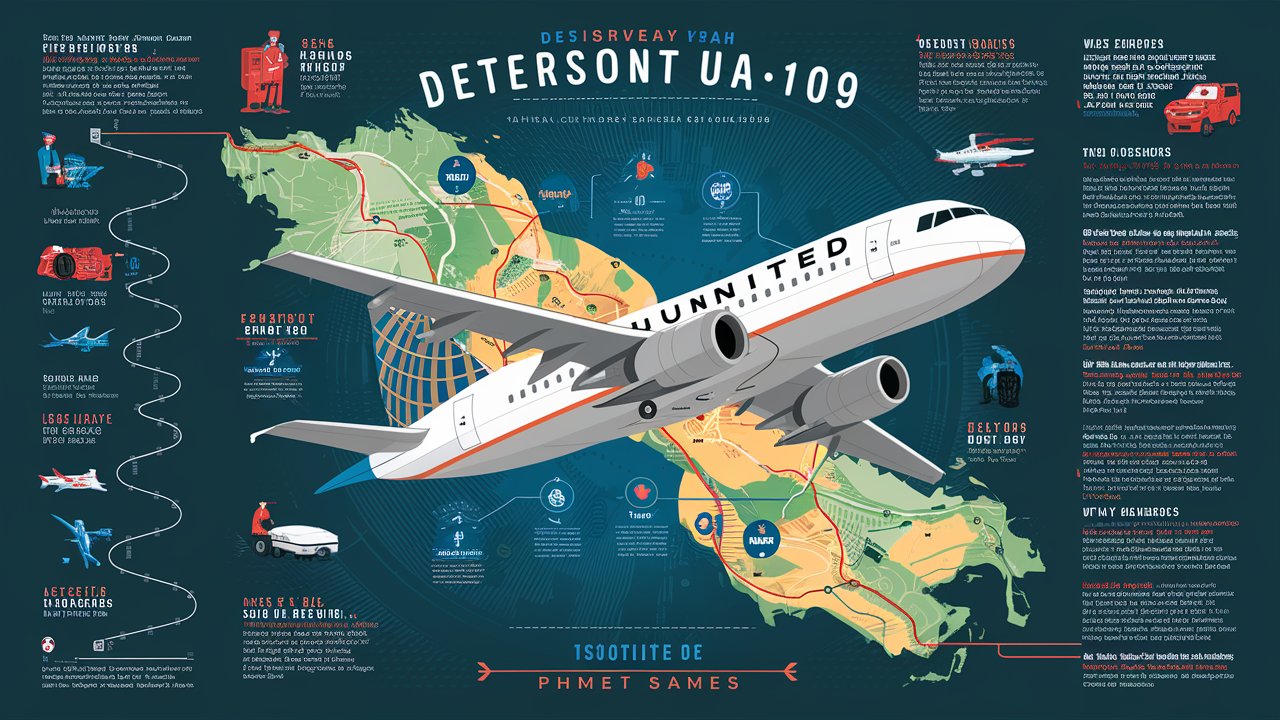
The unexpected diversion of United Flight UA109 has drawn significant attention from travelers and aviation enthusiasts alike. Flight diversions are not uncommon, but when a major airline like United Airlines experiences one, it raises questions about safety, procedures, and passenger experience. Understanding the reasons behind the United Flight UA109 diversion, how airlines handle such situations, and what passengers can expect during these events provides valuable insight into modern air travel operations.
What Is United Flight UA109?
United Flight UA109 is a regularly scheduled international route operated by United Airlines, connecting major global destinations. Like many long-haul flights, it involves complex coordination between air traffic control, weather monitoring, and aircraft maintenance teams. When a diversion occurs, it means the aircraft was unable to continue to its intended destination and had to land at an alternate airport. This can happen for a variety of reasons, including medical emergencies, technical issues, or adverse weather conditions.
Reasons Behind the United Flight UA109 Diversion
The diversion of United Flight UA109 could have been triggered by several operational or safety-related factors. One of the most common causes of flight diversions is medical emergencies onboard. When a passenger requires urgent medical attention, pilots must coordinate with air traffic control to land at the nearest suitable airport. Another possible reason is mechanical or technical issues. Even minor malfunctions can prompt a diversion if they affect the aircraft’s performance or safety systems. Weather conditions, such as severe turbulence, storms, or low visibility, can also force a flight to change course. Additionally, airspace restrictions or security concerns may occasionally lead to diversions.
How Airlines Handle Diversions Like United Flight UA109
When a flight like United Flight UA109 is diverted, the airline’s operations team immediately activates a response plan. Pilots communicate with air traffic control to determine the safest and most efficient alternate airport. Once the aircraft lands, ground crews and customer service teams coordinate to assist passengers. This includes arranging accommodations, rebooking connecting flights, and providing updates about the situation. United Airlines, like other major carriers, prioritizes passenger safety and comfort during such disruptions. The airline also ensures that maintenance teams inspect the aircraft thoroughly before it resumes service.
Passenger Experience During the United Flight UA109 Diversion
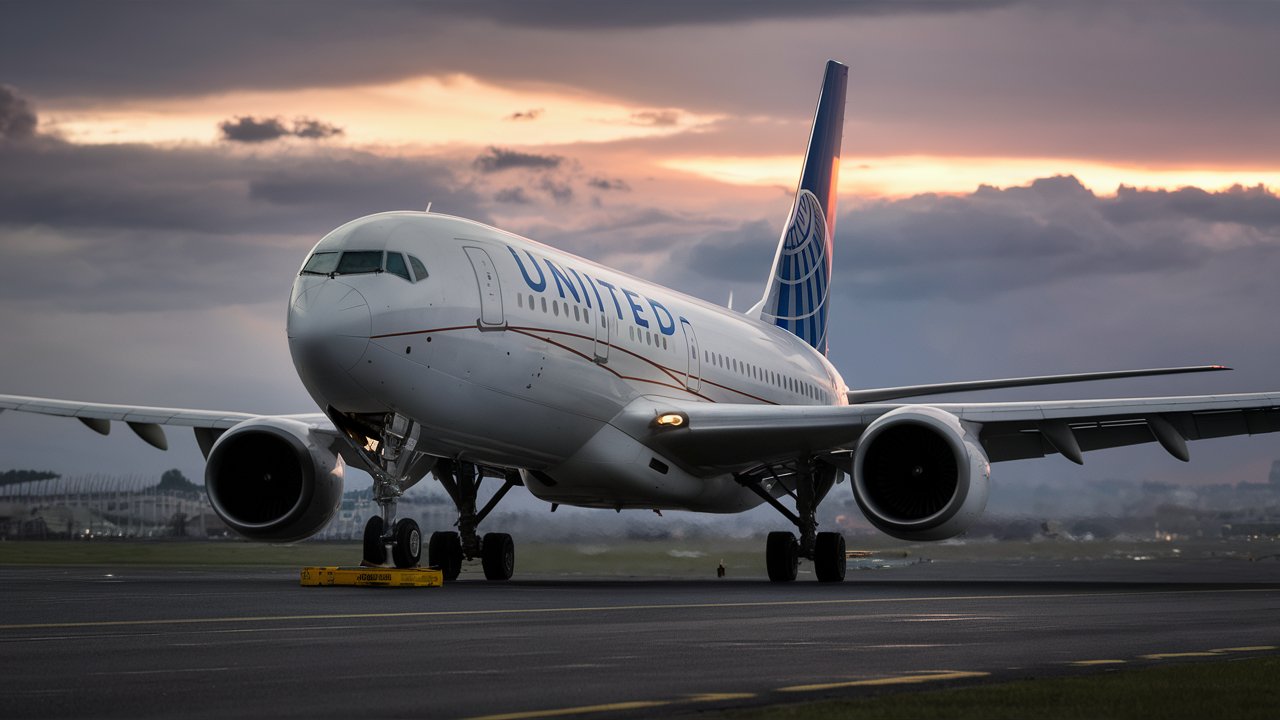
For passengers, a diversion can be stressful and confusing, especially when information is limited. However, airlines strive to keep travelers informed through onboard announcements and digital updates. During the United Flight UA109 diversion, passengers likely experienced a delay in reaching their final destination, but safety always takes precedence over schedule. Many travelers appreciate the professionalism of the flight crew and the airline’s efforts to minimize inconvenience. In most cases, passengers are provided with meals, hotel accommodations if necessary, and assistance with rebooking.
Impact on Flight Operations and Scheduling
A diversion like that of United Flight UA109 can have a ripple effect on airline operations. Aircraft scheduling, crew assignments, and connecting flights may all be affected. Airlines use advanced logistical systems to manage these disruptions efficiently. The diverted aircraft may require additional maintenance checks, and replacement crews might be dispatched to ensure compliance with duty time regulations. Despite these challenges, airlines like United have robust contingency plans to restore normal operations as quickly as possible.
Safety Protocols and Preventive Measures
United Airlines follows strict safety protocols to prevent diversions whenever possible. Aircraft undergo regular maintenance checks, and pilots receive extensive training to handle in-flight emergencies. Weather forecasting technology and real-time communication systems help crews make informed decisions. Even with these precautions, diversions remain an essential part of aviation safety, ensuring that every flight prioritizes the well-being of passengers and crew. The United Flight UA109 diversion serves as a reminder of how the aviation industry’s safety-first approach protects travelers in unpredictable circumstances.
Conclusion
The United Flight UA109 diversion highlights the complexity and precision of modern air travel. While diversions can be inconvenient, they are a testament to the aviation industry’s commitment to safety and professionalism. Understanding why diversions occur, how airlines manage them, and what passengers can expect helps demystify these rare but important events. United Airlines’ handling of Flight UA109 demonstrates the airline’s dedication to maintaining safety standards and ensuring passenger care, even in unexpected situations.
FAQs About United Flight UA109 Diversion
1. What caused the United Flight UA109 diversion?
The exact cause can vary, but common reasons include medical emergencies, technical issues, or adverse weather conditions.
2. How does United Airlines handle diverted flights?
United Airlines activates an emergency response plan, coordinates with air traffic control, and provides passenger support such as rebooking and accommodations.
3. Are passengers compensated for flight diversions?
Compensation depends on the cause of the diversion. If it’s due to factors within the airline’s control, passengers may receive vouchers or refunds.
4. How long do diversions usually last?
The duration depends on the reason for the diversion and the availability of alternate flights. Some diversions are resolved within hours, while others may take longer.
5. Is it safe to fly after a diversion?
Yes. Before resuming service, the aircraft undergoes thorough inspections to ensure it meets all safety standards.
6. How common are flight diversions?
Flight diversions are relatively rare, occurring in a small percentage of flights worldwide, but they are a standard safety measure in aviation.
7. What should passengers do during a diversion?
Passengers should remain calm, follow crew instructions, and stay updated through official airline communications.
8. Does a diversion affect connecting flights?
Yes, diversions can impact connecting flights, but airlines typically assist passengers in rebooking to minimize disruption.
9. Can weather cause a diversion even if the destination airport is open?
Yes, severe weather along the flight path or at alternate airports can still necessitate a diversion for safety reasons.
10. What can travelers learn from the United Flight UA109 diversion?
The incident underscores the importance of safety, preparedness, and effective communication in modern air travel.