


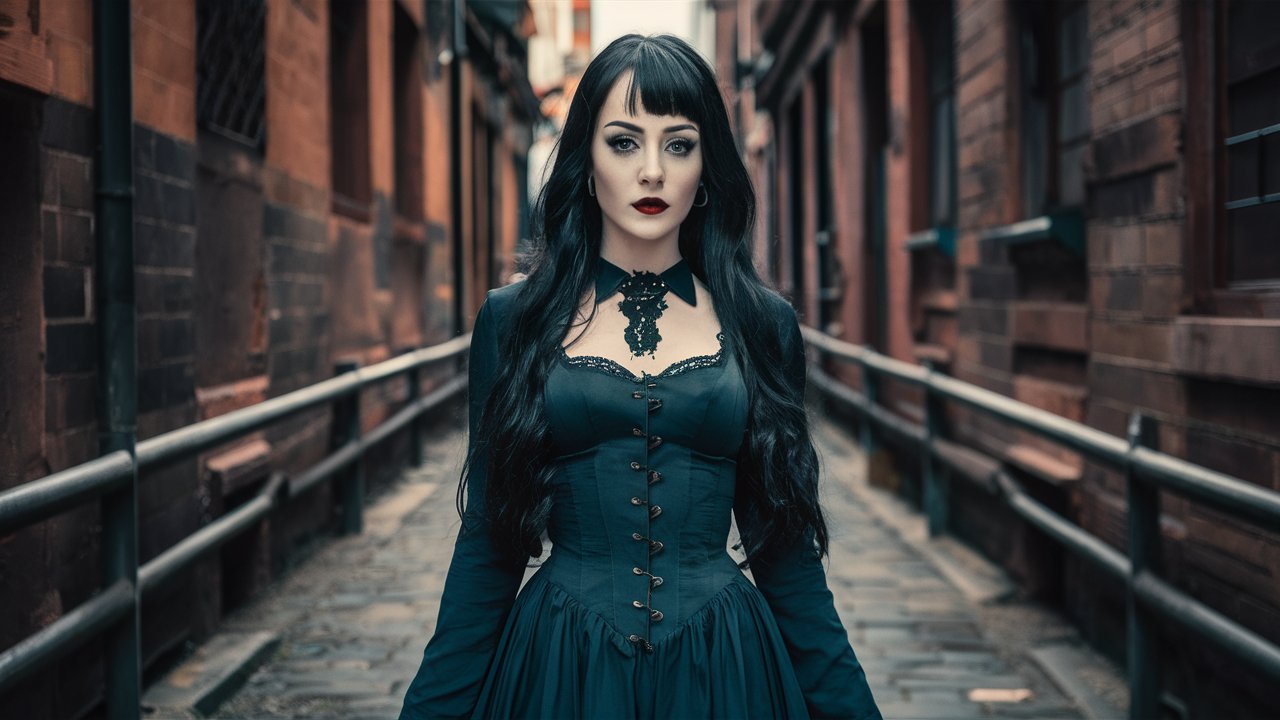
Goth fashion is more than just a style—it is a cultural statement that embodies individuality, mystery, and artistic expression. Emerging from the post-punk movement of the late 1970s and early 1980s has evolved into a global phenomenon that continues to inspire designers, musicians, and subcultures around the world. Characterized by dark clothing, dramatic makeup, and symbolic accessories, goth fashion represents a blend of rebellion and elegance. Understanding its origins, evolution, and modern interpretations provides insight into why this aesthetic remains timeless and influential in today’s fashion landscape.
The Origins and History of Goth Fashion
The roots of can be traced back to the late 1970s when the punk movement began to fragment into various subcultures. Bands like Bauhaus, Siouxsie and the Banshees, and The Cure inspired a darker, more introspective aesthetic that contrasted sharply with the aggressive energy of punk. Early goths adopted black clothing, lace, leather, and Victorian-inspired garments to express melancholy and romanticism. The style drew heavily from gothic literature, horror films, and historical fashion, blending elements of the macabre with sophistication. Over time, became a symbol of nonconformity and emotional depth, influencing art, music, and mainstream fashion.
Key Elements and Characteristics of Goth Fashion
Goth fashion is defined by its distinctive use of dark colors, particularly black, which symbolizes mystery, power, and introspection. Common materials include velvet, lace, leather, and satin, chosen for their rich textures and dramatic appearance. Accessories play a crucial role, with chokers, silver jewelry, crosses, and corsets adding layers of symbolism and style. Makeup is equally important, often featuring pale foundation, dark eyeliner, and bold lipstick to create a striking contrast. Footwear such as platform boots and combat shoes complete the look, emphasizing strength and individuality. Each element of contributes to a cohesive aesthetic that celebrates beauty in darkness.
Different Types of Goth Fashion Styles
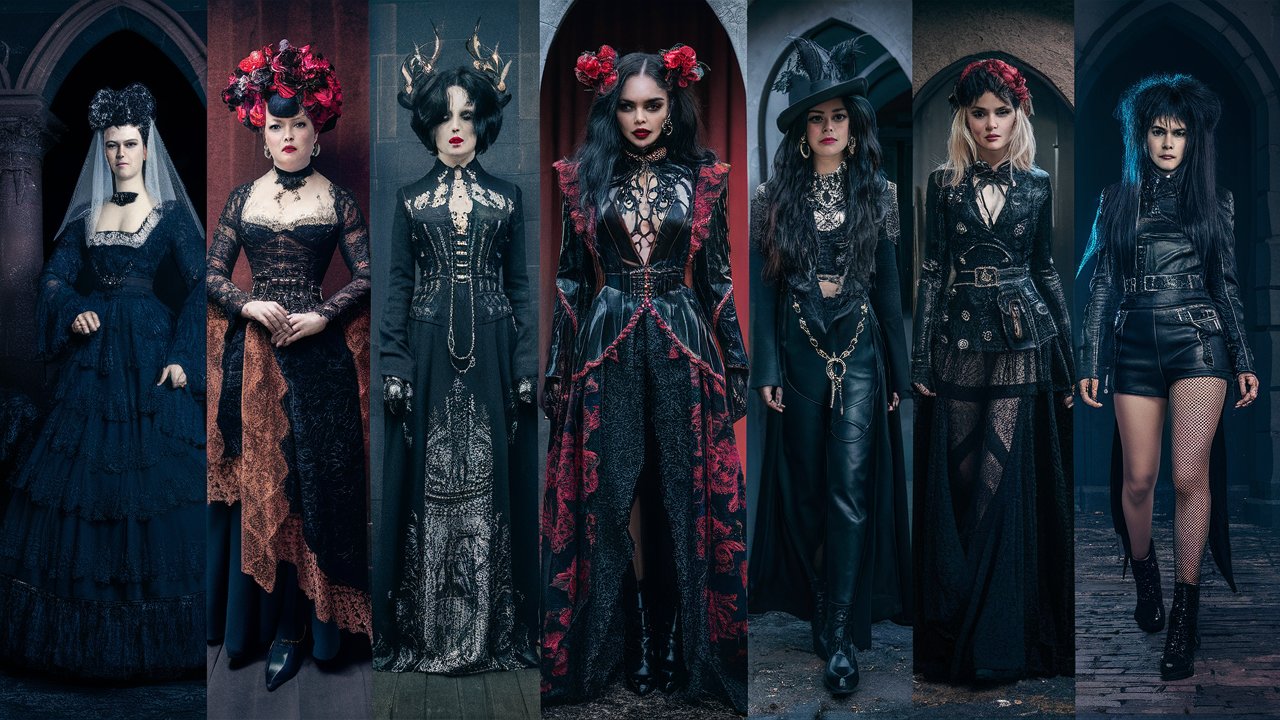
Over the decades has diversified into several substyles, each with its own unique interpretation of the gothic aesthetic. Traditional Goth remains closest to the original 1980s look, featuring black clothing, fishnet stockings, and teased hair. Victorian Goth draws inspiration from the 19th century, incorporating corsets, long skirts, lace gloves, and parasols. Cyber Goth merges futuristic elements with industrial influences, using neon colors, synthetic materials, and cyber accessories. Romantic Goth emphasizes elegance and emotion, often featuring flowing fabrics and vintage jewelry. Pastel Goth, a more recent trend, combines gothic motifs with soft pastel colors, creating a playful yet dark contrast. Each substyle allows individuals to express their personality while staying connected to the core gothic identity.
The Influence of Goth Fashion on Modern Culture
Goth fashion has transcended its subcultural origins to influence mainstream fashion, music, and media. Designers such as Alexander McQueen, Rick Owens, and Vivienne Westwood have incorporated gothic elements into their collections, blending darkness with high fashion. Celebrities like Billie Eilish, Robert Smith, and Dita Von Teese have popularized gothic aesthetics through their distinctive styles. In film and television, characters inspired by goth culture—such as Morticia Addams and Lydia Deetz—have become cultural icons. Social media platforms have also played a major role in reviving with influencers showcasing modern interpretations that mix vintage and contemporary elements. This widespread influence demonstrates the enduring appeal of as both an art form and a lifestyle.
How to Create a Goth Fashion Look
Creating a look involves more than simply wearing black; it requires attention to detail, creativity, and self-expression. Start with a foundation of dark clothing, such as black jeans, skirts, or dresses, and layer with textured fabrics like lace or velvet. Accessories are essential—add chokers, rings, and statement jewelry to enhance the gothic vibe. Makeup should emphasize contrast, with pale tones and dark accents around the eyes and lips. Footwear such as platform boots or Doc Martens adds an edgy finish. Personalization is key; mixing vintage pieces with modern designs allows for a unique and authentic look. The goal is to express individuality while embracing the mysterious and artistic essence.
The Symbolism and Meaning Behind Goth Fashion
Goth fashion is deeply symbolic, reflecting themes of introspection, mortality, and beauty within darkness. The predominance of black represents not only rebellion but also depth and sophistication. Many goths view their style as a form of self-expression that challenges societal norms and celebrates emotional authenticity. The use of religious and historical symbols, such as crosses or Victorian attire, often conveys a fascination with history, spirituality, and the passage of time. For many, is not about sadness but about finding beauty in the unconventional and embracing individuality in a world that often values conformity.
The Future of Goth Fashion in the Modern Era
As fashion continues to evolve remains relevant by adapting to new cultural and technological influences. The rise of sustainable fashion has encouraged many goth enthusiasts to embrace thrifted and handmade clothing, aligning the aesthetic with eco-conscious values. Digital platforms have also expanded the community, allowing global collaboration and creativity. Modern blends traditional elements with futuristic designs, creating a hybrid style that appeals to new generations. Whether through minimalist dark wear or elaborate Victorian ensembles, the essence of individuality, mystery, and artistic expression—continues to thrive in the modern era.
Conclusion
Goth fashion stands as one of the most enduring and expressive styles in the world of fashion. Rooted in history yet constantly evolving, it represents a powerful blend of art, emotion, and identity. From its origins in the post-punk era to its influence on contemporary culture, continues to inspire creativity and self-expression. Its dark elegance and symbolic depth make it more than just a trend—it is a timeless movement that celebrates the beauty of individuality and the allure of the unknown.
FAQs About Goth Fashion
1. What is goth fashion?
Goth fashion is a style characterized by dark clothing, dramatic makeup, and symbolic accessories that express individuality, mystery, and artistic depth.
2. When did goth fashion begin?
Originated in the late 1970s and early 1980s, emerging from the post-punk music scene and influenced by gothic literature and art.
3. What are the main elements of goth fashion?
Key elements include black clothing, lace, leather, silver jewelry, dark makeup, and platform boots, all contributing to a dramatic and elegant aesthetic.
4. Are there different types of goth fashion?
Yes, substyles include Traditional Goth, Victorian Goth, Cyber Goth, Romantic Goth, and Pastel Goth, each offering a unique interpretation of the gothic aesthetic.
5. How can someone start dressing in goth fashion?
Begin with dark clothing, add textured fabrics, accessorize with chokers and rings, and use makeup to create contrast and intensity.
6. Is goth fashion only about wearing black?
While black is central to other dark or muted tones like burgundy, deep purple, and dark green are also common.
7. What inspires goth fashion?
Draws inspiration from gothic literature, horror films, historical, and music from bands like The Cure and Bauhaus.
8. Has goth fashion influenced mainstream fashion?
Yes, many designers and celebrities have incorporated gothic elements into their styles, making a recurring influence in high fashion.
9. Can goth fashion be sustainable?
Absolutely. Many goth enthusiasts embrace thrift shopping, upcycling, and handmade clothing to create eco-friendly gothic looks.
10. Why does goth fashion remain popular today?
Endures because it allows for personal expression, creativity, and a celebration of beauty in darkness, appealing to those who value individuality and depth.