


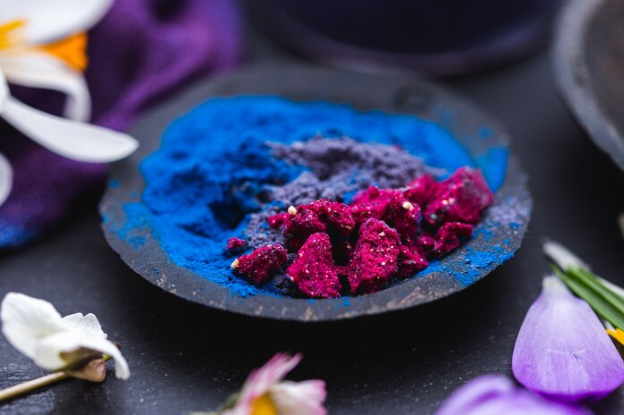
Coloration indigo is one of the most fascinating and historically rich dyeing techniques in the world. Known for its deep, mesmerizing blue hue, indigo has been used for centuries to color fabrics, garments, and artworks. From ancient civilizations to modern fashion houses, indigo dyeing has remained a symbol of craftsmanship, culture, and creativity. The process of coloration indigo involves both art and science transforming natural or synthetic indigo pigments into vibrant shades that capture the essence of elegance and tradition. This article explores the meaning, history, process, and modern applications of coloration indigo, revealing why this timeless color continues to inspire designers, artists, and innovators around the globe.
Understanding the Meaning of Coloration Indigo
At its core, coloration indigo refers to the process of dyeing materials typically textiles with indigo pigment to achieve a rich blue color. The term “indigo” originates from the Latin word indicum, meaning “from India,” as the dye was first exported from the Indian subcontinent to Europe and other parts of the world. Indigo is unique among dyes because of its deep, natural tone and the complex chemical process required to fix it onto fabric.
Unlike other dyes that penetrate fibers directly, indigo adheres to the surface through oxidation. When the fabric is dipped into the dye bath, it appears greenish-yellow, but as it is exposed to air, it transforms into the iconic deep blue shade. This transformation is what makes coloration indigo both a scientific marvel and an artistic expression.
The Historical Origins of Indigo Dyeing
The history of coloration indigo dates back thousands of years. Ancient civilizations in India, Egypt, China, and Africa used indigo as a natural dye extracted from plants such as Indigofera tinctoria and Isatis tinctoria. In India, indigo was considered a symbol of wealth and spirituality, often used to dye royal garments and sacred textiles.
During the Middle Ages, indigo became a valuable trade commodity, often referred to as “blue gold.” European merchants imported indigo from Asia and Africa, where it was prized for its durability and brilliance. The dye’s popularity grew even further during the Industrial Revolution, when synthetic indigo was developed, making the coloration indigo process more accessible and consistent.
Today, indigo remains a cornerstone of textile design, particularly in denim production, where it defines the classic blue jeans that have become a global fashion staple.
The Science Behind Coloration Indigo
The process of coloration indigo is both intricate and fascinating. Natural indigo dye is not water-soluble, which means it must undergo a chemical reduction process to become soluble in water. This is achieved by converting indigo into its “leuco” form, a yellowish-green liquid that can penetrate fabric fibers.
Once the fabric is immersed in the dye bath, it absorbs the leuco-indigo. When removed and exposed to oxygen, the dye oxidizes and turns blue. This oxidation process can be repeated multiple times to achieve deeper and more intense shades of blue. The number of dips, the concentration of the dye, and the type of fabric all influence the final result.
Modern coloration indigo techniques often combine traditional craftsmanship with advanced technology. Synthetic indigo, developed in the late 19th century, allows for greater control over color consistency and environmental impact. However, many artisans still prefer natural indigo for its organic texture and cultural authenticity.
The Artistic and Cultural Significance of Indigo
Beyond its technical aspects, coloration indigo holds deep cultural and artistic significance. In many cultures, indigo represents wisdom, spirituality, and tranquility. The color’s association with the sky and the ocean gives it a universal appeal that transcends time and geography.
In Japan, indigo dyeing known as aizome is considered a national art form, symbolizing purity and protection. In West Africa, indigo cloths are used in ceremonies and rituals, representing status and heritage. In India, indigo has long been associated with traditional textiles such as sarees and turbans, reflecting both beauty and identity.
Artists and designers continue to draw inspiration from coloration indigo, using it to create works that blend tradition with modernity. Its deep, calming hue evokes emotion and depth, making it a favorite in fashion, interior design, and visual art.
Modern Applications of Coloration Indigo
In the modern world, coloration indigo has evolved beyond traditional dyeing methods. It is now used in a wide range of industries, from fashion and textiles to art and design. The most iconic example is denim, where indigo dye gives jeans their signature blue color and unique fading patterns over time.
Sustainable fashion brands are also reviving natural coloration indigo techniques to reduce environmental impact. By using plant-based dyes and eco-friendly processes, these brands are preserving ancient craftsmanship while promoting ethical production. Additionally, indigo is being explored in digital art, architecture, and even product design, where its timeless appeal continues to inspire innovation.
The Environmental Impact of Indigo Dyeing
While coloration indigo is celebrated for its beauty, it also raises important environmental considerations. Traditional indigo dyeing can produce waste and chemical runoff if not managed responsibly. However, the rise of sustainable dyeing practices has led to significant improvements.
Natural indigo farming supports biodiversity and reduces reliance on synthetic chemicals. Eco-friendly dyeing methods, such as closed-loop systems and water recycling, are helping to minimize pollution. As consumers become more conscious of sustainability, the demand for ethically produced indigo textiles continues to grow.
The Future of Coloration Indigo
The future of coloration indigo lies in the balance between tradition and innovation. As technology advances, new methods are being developed to make indigo dyeing more sustainable and efficient. Researchers are exploring bioengineered indigo, which uses microorganisms to produce dye without harmful chemicals.
At the same time, artisans around the world are preserving traditional indigo dyeing techniques, ensuring that this ancient craft continues to thrive. The combination of science, art, and sustainability ensures that coloration indigo will remain a vital part of global culture for generations to come.
Conclusion
Coloration indigo is more than just a dyeing process it is a story of human creativity, cultural heritage, and scientific discovery. From ancient civilizations to modern fashion, indigo has captivated the world with its deep, enduring beauty. Its ability to connect tradition with innovation makes it one of the most significant colors in human history. As the world moves toward sustainability and conscious design, coloration indigo stands as a symbol of harmony between nature, art, and technology. It reminds us that true beauty lies not only in color but in the craftsmanship and meaning behind it.