


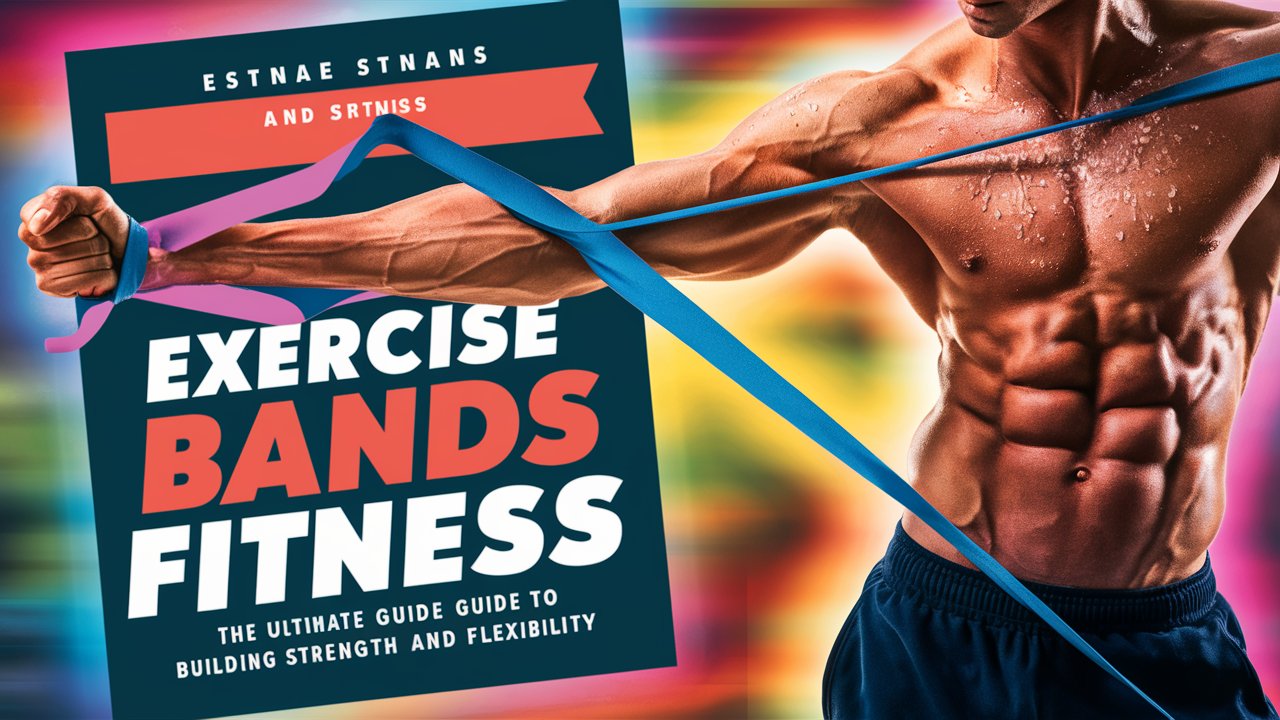
Exercise bands, also known as resistance bands, have become one of the most versatile and effective tools in modern fitness. Whether used for strength training, rehabilitation, or flexibility exercises, these bands offer a convenient and affordable way to stay fit anywhere. The growing popularity of exercise bands fitness routines is due to their adaptability for all fitness levels, from beginners to professional athletes.
What Are Exercise Bands?
Exercise bands are elastic bands designed to create resistance during physical activity. They come in various shapes, sizes, and resistance levels, allowing users to perform a wide range of exercises targeting different muscle groups. Unlike traditional weights, exercise bands rely on elastic tension to challenge muscles, making them ideal for both strength training and rehabilitation. They are lightweight, portable, and can be used virtually anywhere, making them a favorite among home fitness enthusiasts and travelers.
Types of Exercise Bands
There are several types of exercise bands, each serving a unique purpose in fitness training. Loop bands are small circular bands often used for lower-body exercises like squats and glute bridges. Tube bands come with handles and are perfect for upper-body workouts such as bicep curls and shoulder presses. Therapy bands are flat and thin, commonly used in physical therapy and rehabilitation to restore muscle strength and flexibility. Figure-eight bands and pull-up assist bands provide additional options for targeted resistance and support during advanced exercises. Understanding the differences helps in choosing the right band for specific fitness goals.
Benefits of Exercise Bands Fitness
The benefits of incorporating exercise bands into a fitness routine are extensive. They improve muscle strength, endurance, and flexibility without the need for heavy gym equipment. Exercise bands also enhance joint stability and coordination, making them ideal for injury prevention and recovery. Because they provide constant tension throughout the movement, they engage muscles more effectively than some traditional weight exercises. Additionally, exercise bands are cost-effective, easy to store, and suitable for all fitness levels. Whether used for warm-ups, strength training, or stretching, they offer a complete and efficient workout solution.
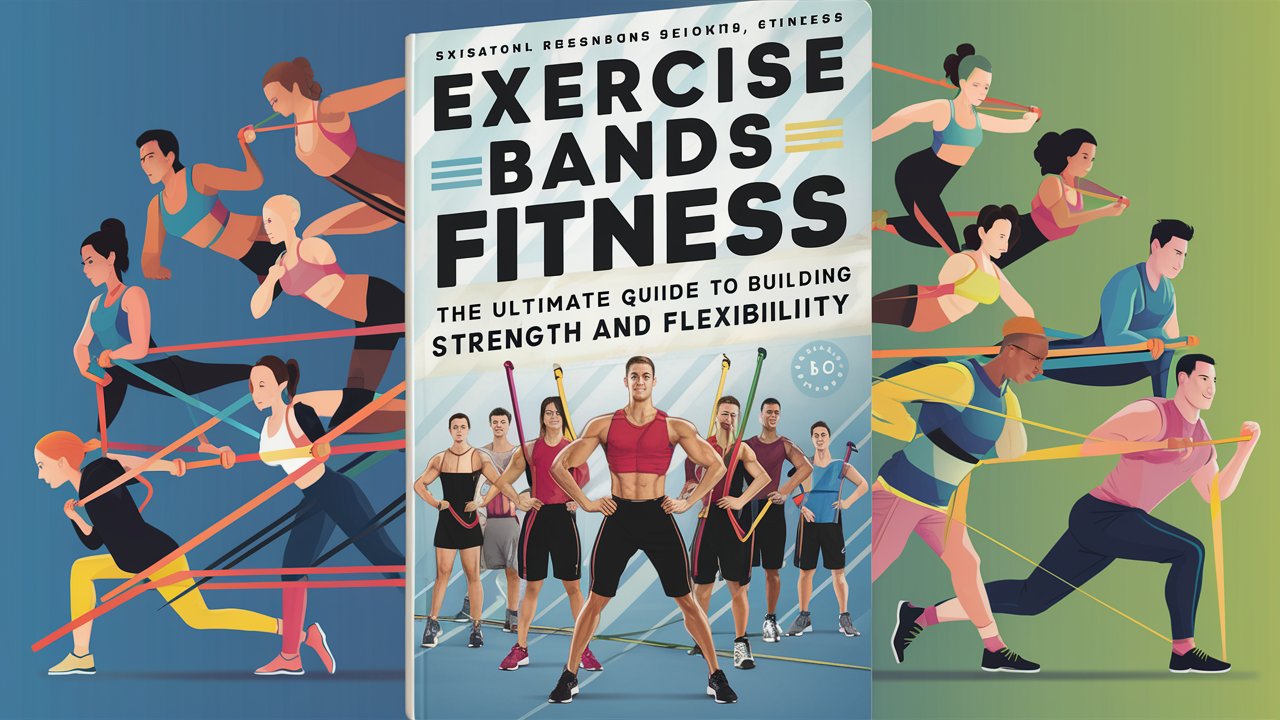
How to Use Exercise Bands for a Full-Body Workout
A full-body workout with exercise bands can target every major muscle group. For the upper body, exercises like banded push-ups, shoulder presses, and tricep extensions build strength and tone muscles. For the lower body, banded squats, lunges, and leg lifts activate the glutes, hamstrings, and quadriceps. Core exercises such as banded Russian twists and standing rotations help strengthen the abdominal muscles and improve stability. The key to effective training is maintaining proper form and gradually increasing resistance as strength improves. Consistency and controlled movements ensure maximum results from each session.
Exercise Bands for Flexibility and Mobility
Beyond strength training, exercise bands are excellent tools for improving flexibility and mobility. Stretching with resistance bands helps lengthen muscles and increase range of motion, which is essential for preventing injuries and enhancing athletic performance. Bands can assist in deep stretches for the hamstrings, shoulders, and back, making them valuable for yoga and pilates routines. Regular use of bands for stretching promotes better posture, reduces muscle stiffness, and supports overall body balance.
Exercise Bands vs. Traditional Weights
When comparing exercise bands to traditional weights, both have unique advantages. Weights provide consistent resistance based on gravity, while bands offer variable resistance that increases as they stretch. This means exercise bands challenge muscles differently, often engaging stabilizing muscles that weights may not target as effectively. Bands are also safer for beginners and those recovering from injuries, as they reduce the risk of strain. However, combining both methods can create a balanced and comprehensive fitness program that maximizes strength and endurance.
Common Mistakes to Avoid When Using Exercise Bands
While exercise bands are simple to use, certain mistakes can limit their effectiveness. Using bands with incorrect resistance levels can either make exercises too easy or too difficult, reducing results. Poor posture and improper form can lead to muscle strain or injury. It’s also important to check bands regularly for wear and tear, as damaged bands can snap during use. Gradually increasing resistance and focusing on controlled movements ensures safe and effective workouts.
Conclusion
Exercise bands fitness routines offer a powerful, flexible, and affordable way to achieve fitness goals. Whether the aim is to build strength, improve flexibility, or enhance mobility, resistance bands provide endless possibilities for effective training. Their portability and versatility make them suitable for home workouts, gym sessions, or travel. By understanding how to use them correctly and consistently, anyone can experience the transformative benefits of exercise bands and maintain a healthy, active lifestyle.
FAQs
1. What are exercise bands used for?
Exercise bands are used for strength training, flexibility exercises, rehabilitation, and mobility improvement. They provide resistance that helps tone and strengthen muscles.
2. Are exercise bands effective for building muscle?
Yes, exercise bands can effectively build muscle by providing continuous tension throughout movements, which stimulates muscle growth and endurance.
3. Can exercise bands replace weights?
Exercise bands can replace weights for many exercises, especially for beginners or those seeking low-impact workouts. However, combining both can yield the best results.
4. How often should exercise bands be used?
For optimal results, exercise bands can be used three to five times per week, depending on fitness goals and recovery needs.
5. What type of exercise band is best for beginners?
Beginners should start with light to medium resistance loop or tube bands, which allow for controlled movements and gradual strength progression.
6. Can exercise bands help with weight loss?
Yes, when combined with a balanced diet and regular cardio, exercise bands can help burn calories, tone muscles, and support weight loss goals.
7. How long do exercise bands last?
With proper care and storage, high-quality exercise bands can last several years. Regular inspection for cracks or overstretching ensures safety and longevity.