


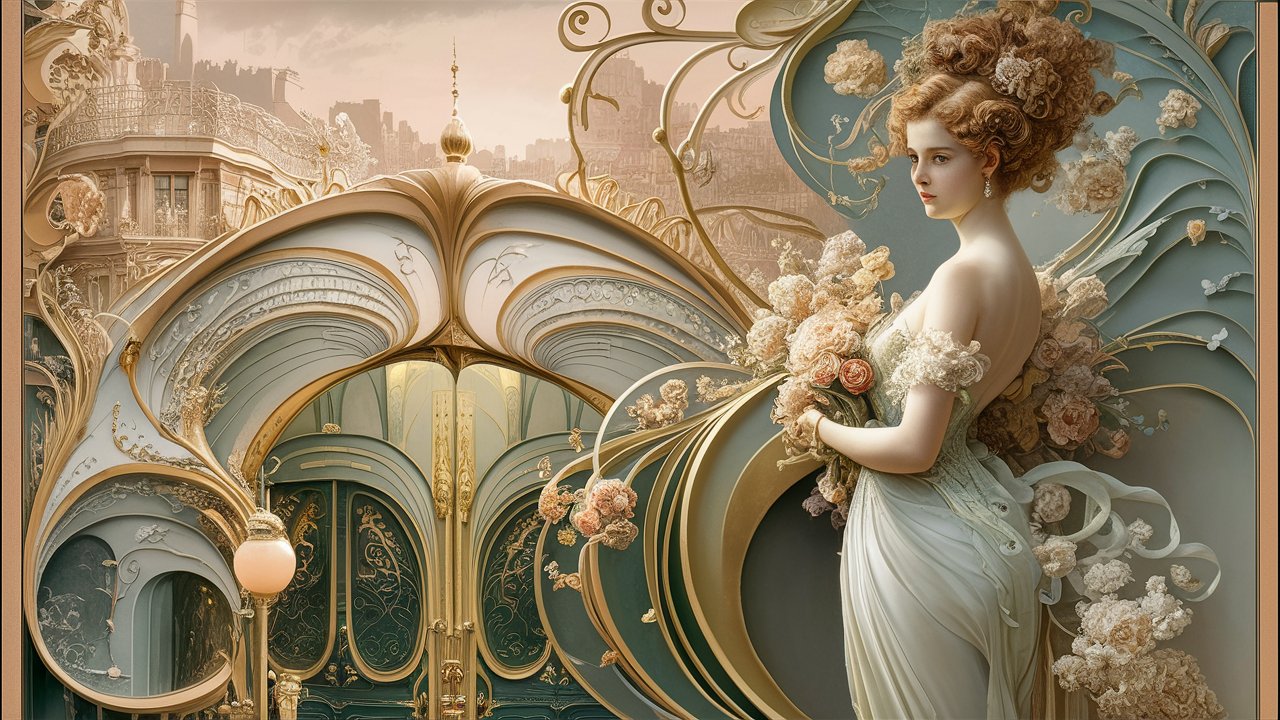
Art Nouveau is one of the most captivating and influential art movements in history, known for its graceful lines, organic forms, and deep connection to nature. Emerging in the late 19th century, it represented a bold departure from the rigid academic traditions of the past, embracing creativity, craftsmanship, and innovation. The term “Art Nouveau” meaning “new art” in French, perfectly captures the movement’s essence—a desire to create something fresh, modern, and harmonious. Article explores the origins, characteristics, and legacy of Art Nouveau, highlighting how it continues to inspire artists, architects, and designers around the world.
The Origins of Art Nouveau
The Art Nouveau movement emerged in Europe during the late 19th century, a time of rapid industrialization and social change. Artists and designers sought to break free from the mechanical uniformity of mass production and revive the beauty of handcrafted art. Art Nouveau first gained prominence in Belgium and France before spreading across Europe and the United States. It was known by different names in various countries—Jugendstil, and Stile Liberty—but its philosophy remained consistent: to create art that was both beautiful and functional, inspired by the natural world.
Defining Characteristics of Art Nouveau
Art Nouveau is instantly recognizable for its distinctive visual language. The movement is defined by flowing lines, organic shapes, and nature-inspired motifs such as flowers, vines, and insects. Artists used curvilinear forms, asymmetrical compositions, and intricate ornamentation to evoke a sense of movement and vitality. In architecture, Art Nouveau buildings often feature elaborate facades, stained glass windows, and decorative ironwork that mimic the fluidity of nature. In graphic design, posters and illustrations were adorned with elegant typography and stylized figures.
The Role of Nature in Art Nouveau
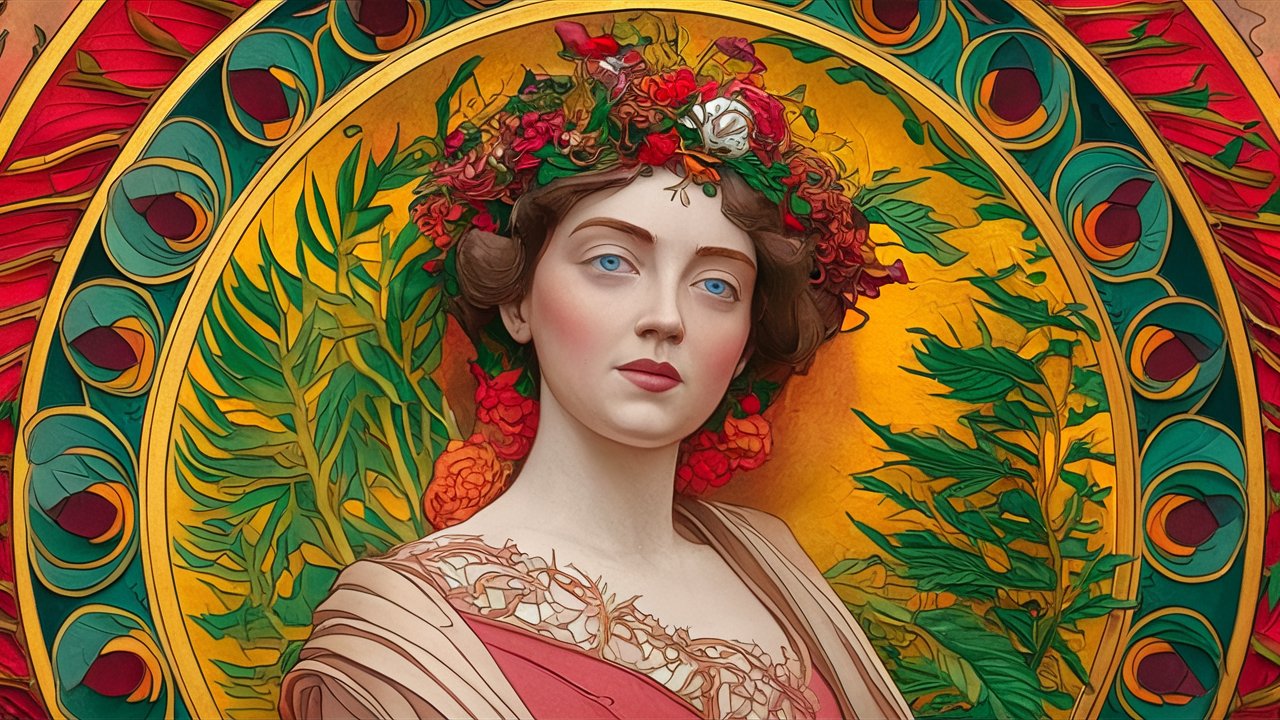
Nature was the heart and soul of Art Nouveau design. Artists drew inspiration from the organic world, incorporating motifs such as flowers, leaves, birds, and insects into their work. The movement celebrated the beauty of natural forms, translating them into flowing lines and rhythmic patterns that conveyed harmony and balance. Art Nouveau artists believed that by surrounding themselves with natural beauty, people could achieve a more harmonious and fulfilling life. This reverence for nature continues to influence modern design, particularly in sustainable architecture and eco-friendly art.
Prominent Artists and Architects of Art Nouveau
Several visionary artists and architects defined the Art Nouveau movement through their groundbreaking work. In Belgium, Victor Horta revolutionized architecture with his use of iron and glass, creating fluid, light-filled spaces such as the Hôtel Tassel in Brussels., Hector Guimard became famous for his iconic Paris Metro entrances, which remain enduring symbols of Art Nouveau design. In Spain, Antoni Gaudí brought the movement to life through his fantastical architectural creations, including the Sagrada Família and Casa Batlló in Barcelona, where organic forms and vibrant colors merge seamlessly. Alphonse Mucha became synonymous with Art Nouveau poster design, his works characterized by elegant female figures surrounded by floral patterns and decorative borders. These artists shared a common goal: to elevate everyday objects and structures into works of art that celebrated beauty and craftsmanship.
Art Nouveau in Architecture and Interior Design
Architecture was one of the most expressive mediums for Art Nouveau. Buildings designed in this style often appear alive, with facades that flow like vines and interiors that evoke the serenity of nature. The use of wrought iron, stained glass, and mosaic tiles allowed architects to experiment with texture and light. Furniture and interior design followed the same principles, emphasizing handcrafted details and natural materials. Designers like Charles Rennie Mackintosh in Scotland and Louis Comfort Tiffany in the United States brought Art Nouveau into homes through elegant furniture, lighting, and decorative glasswork.
The Global Spread of Art Nouveau
While Art Nouveau originated in Europe, its influence quickly spread across the globe. In the United States, the movement found expression in the works of architects like Louis Sullivan and Frank Lloyd Wright, who incorporated organic forms and natural motifs into their designs. In Eastern Europe, cities like Prague and Riga became centers of Art Nouveau architecture, with buildings that still stand as masterpieces of the style. The movement also influenced graphic design, fashion, and jewelry, creating a unified aesthetic that transcended national boundaries. Each region adapted Art Nouveau to its own cultural context, resulting in a rich diversity of interpretations that contributed to the movement’s global appeal.
The Decline and Legacy of Art Nouveau
By the early 20th century, Art Nouveau began to decline as new artistic movements such as Art Deco and Modernism emerged. The outbreak of World War I and the rise of industrial production shifted public taste toward simpler, more functional designs. However, the influence of Art Nouveau never truly disappeared. Its emphasis on craftsmanship, natural forms, and artistic unity paved the way for later design movements and continues to inspire artists and architects today. The movement’s legacy can be seen in everything from modern graphic design to sustainable architecture, where organic shapes and natural materials remain central themes. Museums and galleries around the world continue to celebrate Art Nouveau as a symbol of creativity, elegance, and innovation.
Why Art Nouveau Still Matters Today
In an age dominated by technology and minimalism, Art Nouveau offers a refreshing reminder of the beauty of detail and the importance of harmony between art and nature. Its timeless appeal lies in its ability to blend functionality with artistic expression, proving that design can be both practical and poetic. The movement’s focus on craftsmanship and individuality resonates strongly in today’s world, where mass production often overshadows creativity. Designers and architects continue to draw inspiration from Art Nouveau’s organic forms and holistic approach, reinterpreting its principles for contemporary audiences. Whether in architecture, fashion, or digital design, the spirit of Art Nouveau endures as a celebration of imagination and artistry.
Conclusion
Art Nouveau remains one of the most enchanting and influential movements in the history of art and design. Its graceful lines, natural motifs, and dedication to craftsmanship transformed the visual culture of the late 19th and early 20th centuries. More than just a style, Art Nouveau represented a philosophy—a belief that beauty should be an integral part of everyday life. From the architectural masterpieces of Gaudí and Horta to the iconic posters of Mucha, the movement’s legacy continues to inspire creativity across generations. In a world that often prioritizes speed and simplicity, Art Nouveau reminds us of the enduring power of artistry, nature, and human imagination.